


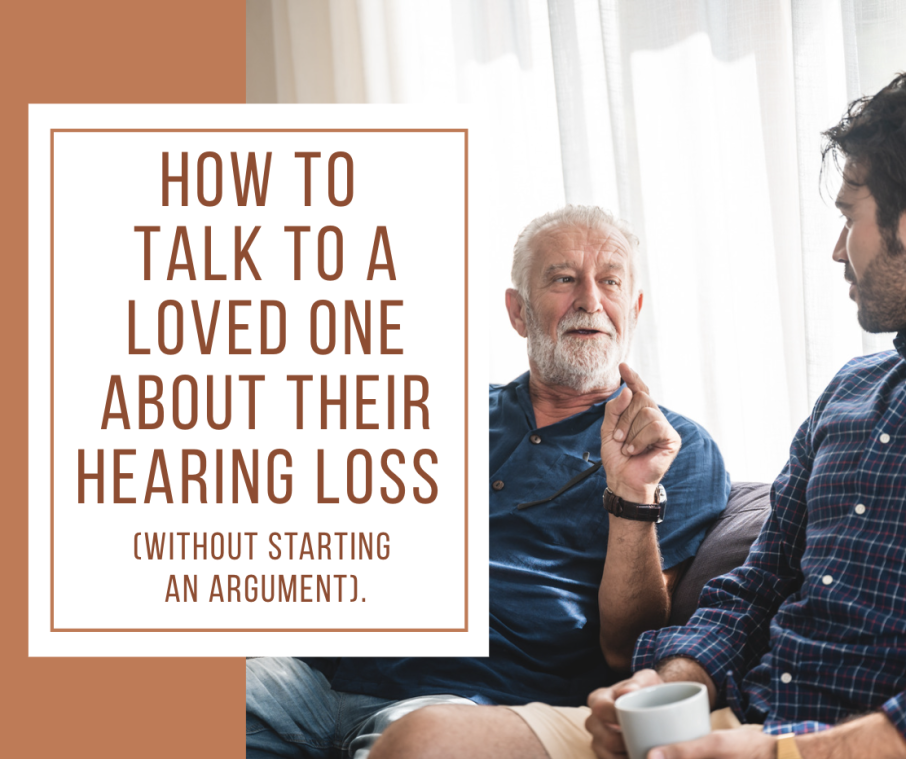
We’ve all been there. The television is blasting at maximum volume, you’re constantly asked to repeat yourself, or you notice your spouse quietly withdrawing from the conversation at crowded family dinners.
Watching a loved one struggle with untreated hearing loss is frustrating, but bringing it up can feel like walking through a minefield. Hearing loss is a deeply personal issue, and admitting there is a problem often brings up fears of aging or losing independence. Defensiveness is a natural reaction.
So, how do you bridge the gap and encourage them to get the help they need? Here is a straightforward guide to having a productive, compassionate conversation about hearing loss.
- Choose the Right Time and Environment
Do not bring up your loved one’s hearing loss in the middle of an argument or when you are both frustrated. Blurted comments like, “You’re deaf, go get your ears checked!” will only make them shut down.
Instead, wait for a quiet, relaxed moment. Make sure you are in a well-lit room with minimal background noise, facing them directly so they have the best possible chance to hear and understand your words.
- Shift to “I” Statements
When people feel accused, they get defensive. Avoid statements that start with “You always…” or “You never…”
Instead, frame the conversation around how the situation makes you feel.
- Instead of: “You never listen to me.”
- Try: “I feel disconnected from you when we can’t easily chat during dinner.”
- Instead of: “Your TV is driving everyone crazy.”
- Try: “I get worried about your hearing when I notice how loud the television needs to be for you to enjoy it.”
- Focus on the Daily Impact (Not Just the Hearing)
Sometimes, people with gradual hearing loss genuinely don’t realize how much they are missing. Point out specific, gentle observations. You might mention that they used to love going to noisy restaurants, but lately, they seem to avoid them. Or that they missed the punchline of their grandchild’s joke. Grounding the conversation in quality-of-life moments makes the issue tangible and relatable.
- Demystify the Technology
Many people resist seeing an audiologist because they are picturing the bulky, whistling hearing aids their grandparents wore. Bring them up to speed on reality!
Today’s hearing aids are incredible pieces of technology. Many are virtually invisible, connect via Bluetooth directly to smartphones and TVs, and use artificial intelligence to filter out background noise. Let them know that treating hearing loss doesn’t mean wearing a neon sign; it means upgrading their tech.
- Offer to Be Their Wingman
Going to a hearing care provider for the first time can be intimidating. Don’t just tell them to make an appointment—offer to go with them.
Say something like, “Why don’t we both go get our hearing checked? It’s just a baseline test to see where we stand.” Having a familiar face in the room not only reduces anxiety but also helps the audiologist, as you can provide valuable insight into the hearing challenges you observe at home.
The Bottom Line
Patience is key. It takes the average person several years from the time they notice hearing changes to the time they actually seek treatment. Your loved one might not book an appointment after your first conversation, and that is okay. Plant the seed, be supportive, and keep the lines of communication open.
Ready to take the next step? If you or a loved one are ready to get a clear picture of your hearing health, we are here to help. Contact Comprehensive Ear & Hearing today to schedule a comprehensive, stress-free hearing evaluation.